
お疲れ様です, またね- Finding Balance: How My Experience in Japan Reshaped My Understanding of Conflict, Community, and the Future
Samuel Y. Kye
2025-2026 Tanaka & Green Scholar
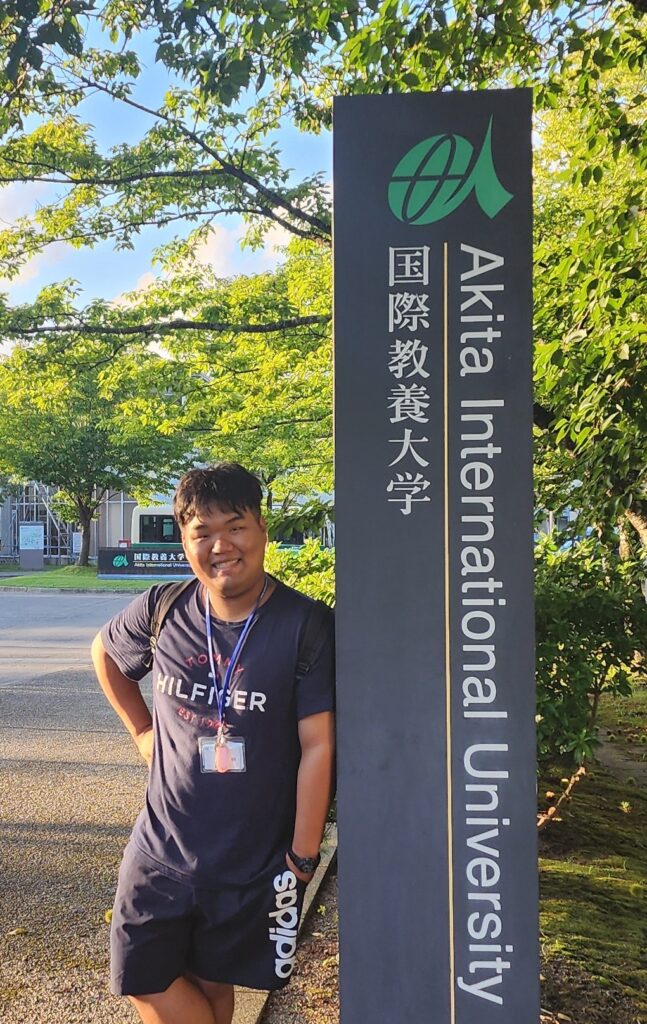
As a Korean-American student focused on conflict analysis and resolution, Japan has never been a neutral subject in my academic or personal life. My studies often engage with history, collective memory, and unresolved trauma in East Asia. Japan exists within that history, yet it is also a country whose culture, social systems, and traditions have always drawn my curiosity. These layered tensions made my exchange student program at Akita International University (AIU) deeply transformative. Japan shifted from being an object of study into a lived reality.
At AIU, I encountered Japan through everyday experience. The university’s multicultural environment and close academic community created a space where global perspectives met local traditions. AIU was open and inclusive to every student and faculty, and even to local community. Difference was not something to overcome but to learn from. As a student of conflict studies, this environment became a living example of coexistence. I began to see how communities can function not by erasing differences, but by building trust through shared effort.
Language study was central to my goals. I enrolled in multiple Japanese courses because I believe language shapes how I understand the world. I was able to deepen my understanding of the Japanese language and its society. Humor, politeness, and subtle emotional expressions that once felt distant became understandable. I was no longer an observer studying Japan from the outside.
One of my most influential classes was PLS 379 course: International Organizations and Sustainable Development taught by Professor Toyoda, a former official at Japan’s Ministry of Foreign Affairs. The course emphasized discussion and policy oriented thinking. Our final SDGs workshop with local high school students in Akita connected global frameworks to real communities. Working with Japanese students toward a shared goal showed me how cooperation across cultures can produce meaningful change. It reinforced my belief that dialogue is most powerful when grounded in local relationships.
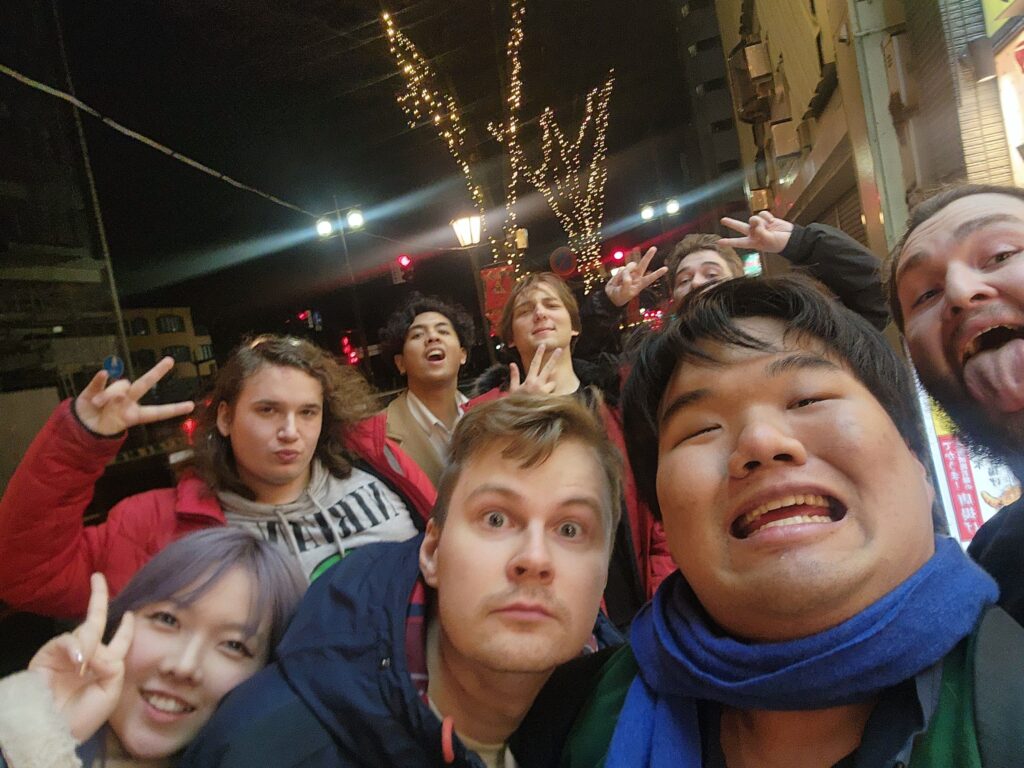
Life outside the classroom became an equally important teacher. Grocery shopping, eating in the cafeteria, and practicing Japanese with friends created daily spaces of exchange. Through language partnerships where I taught Korean and learned Japanese in return, trust developed naturally. I remember a farewell dinner where eight students from eight different countries sat around one table. In that moment, diversity was not theoretical. It was lived reality. AIU became a microcosm of the world I hope to help build.
The most important part of my fall semester was joining the Kanto Festival Club. I believed that the only way to truly understand a culture different from my own was to participate in it directly. Joining the club became one of the decisions I will never regret.
The phrase I spoke most often was “お疲れ様です”(otsukare sama desu; English: thank you for your hard work) . Every time I met members of the club, we exchanged that greeting. It gave me a sense of belonging not only to a team, but to a living tradition of Japanese culture. Through that simple phrase, I felt included in a collective identity larger than myself.
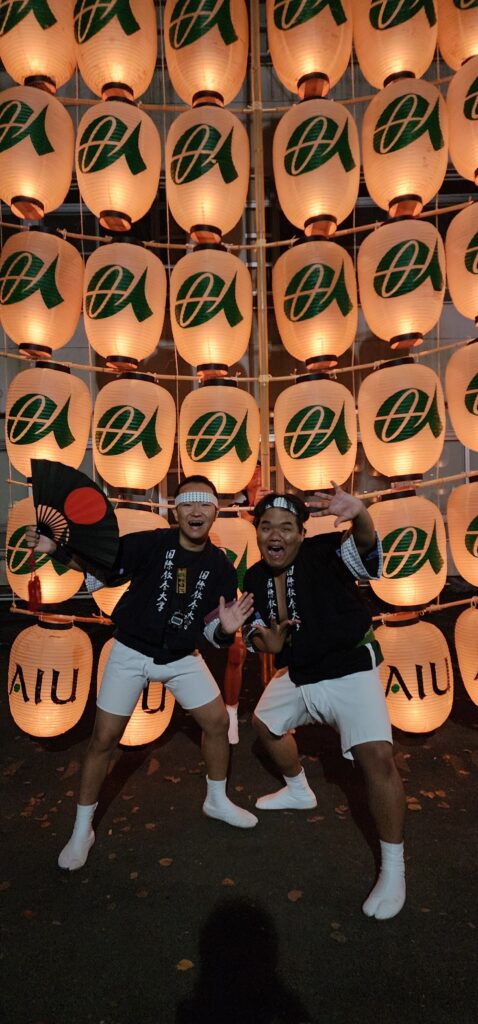
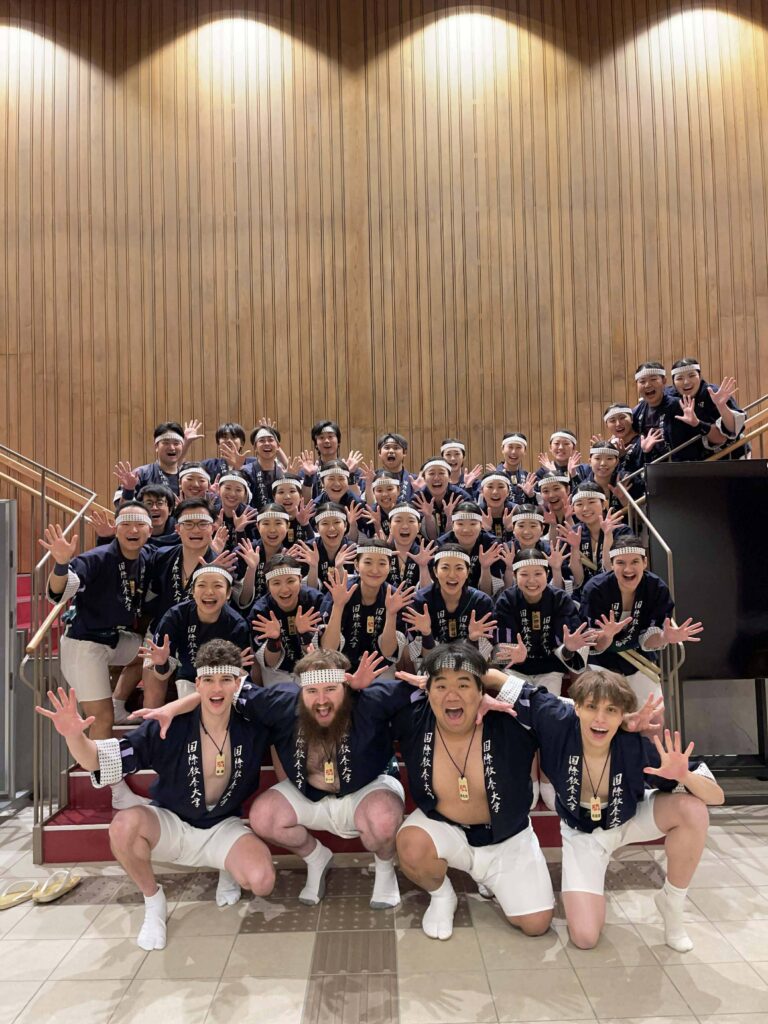
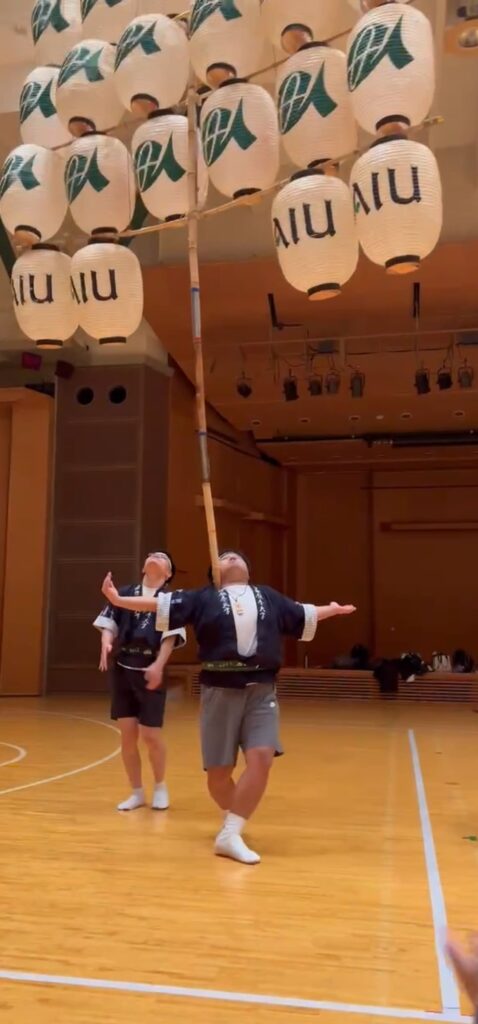
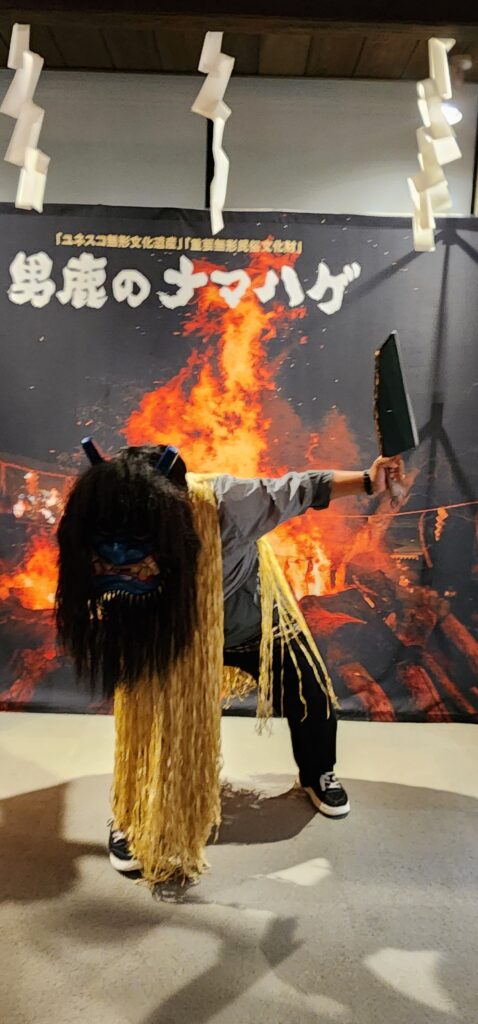
At first I could barely hold the pole. I fell repeatedly and even wondered if I should quit. Yet my teammates encouraged me constantly, shouting “頑張れ”(Ganbare; English: Cheer up!) and “できるよ、サム!”(Dekiruyo, Samu; English: You can do it Sam!). Their voices carried me forward. After four weeks of practice, I finally balanced the pole on my own. Standing upright while lifting it filled me with overwhelming achievement. It felt like witnessing a small miracle created through persistence and trust. The Kanto Festival revealed itself as more than a ritual. It was an act of cooperation between people, land, and movement. As we raised the poles together, I felt physically connected to the ground beneath me and to the people around me. The festival taught me that balance is active. It requires constant attention in the face of instability. This realization reshaped how I understand conflict resolution. Like the Kanto performance, the world is often unsteady. The task is not to dominate chaos, but to hold the center patiently while acknowledging uncertainty. During the school festival, when everyone shouted “ドッコイショ, ドッコイショ!” (Dokkoisho; English: Heave-ho!) and the lantern poles rose higher and higher, the scene felt almost unreal. Professors, friends, seniors, and juniors all gathered in support, their voices glowing like the lantern lights above us. In that moment I felt a shared purpose that revived a sense of optimism I thought modern life had lost.
Traveling through the Tohoku region deepened my understanding of Japan beyond the campus. Aomori’s cultural energy and Sendai’s resilience challenged my assumptions about northern Japan. Learning about the 2011 earthquake while standing in a rebuilt city made history feel immediate and personal. The coincidence that March 11 is my birthday added emotional weight to that experience. Tohoku region became a place of reflection about recovery, memory, and human strength.
By the end of my exchange, Akita no longer felt far from me. It became a place I could return to. Knowing I have friendships and commitments waiting there has given me a stronger sense of continuity and direction. Japan is no longer defined for me solely by historical tension. It is also defined by shared effort, hospitality, and the possibility of cooperation.
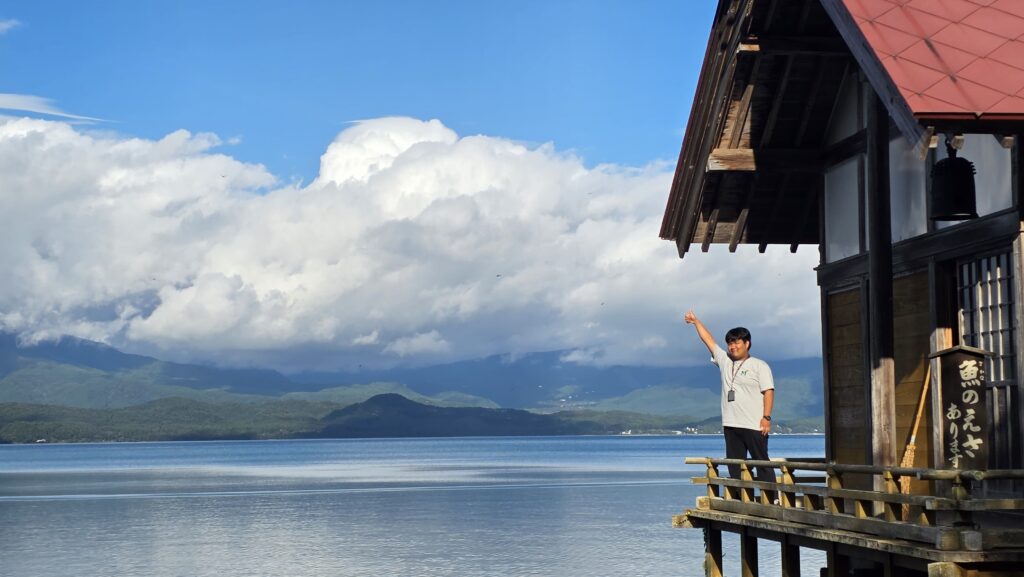
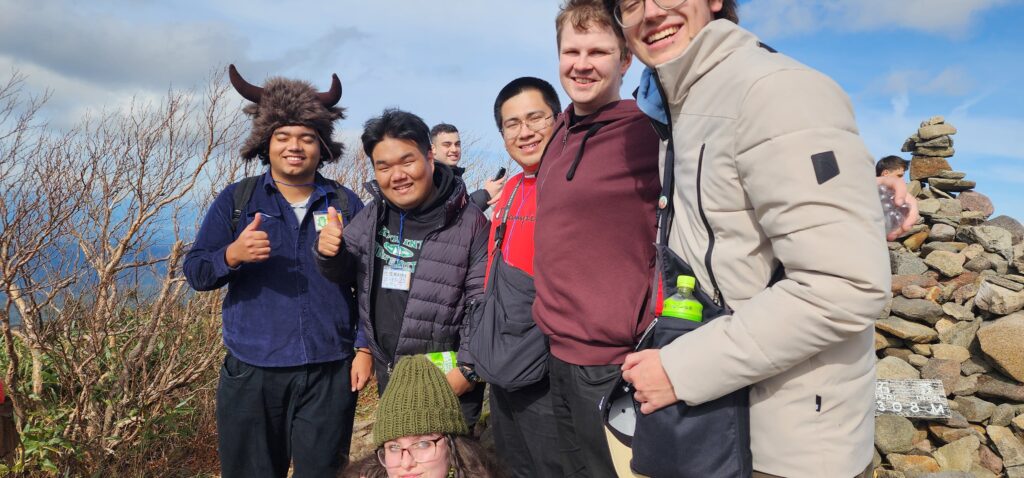
This experience reshaped both my understanding of Japan and my future plans. I now see Northeast Asia not as a region trapped by antagonism, but as one bound by shared responsibility. My career goals in diplomacy and conflict resolution have become more focused. I hope to work in spaces that encourage dialogue between Korea and Japan, using cultural exchange and policy collaboration as tools for reconciliation. My time in Akita taught me that trust is built not only through formal negotiation, but through everyday human connection.
I am deeply grateful to Akita, my friends, my professors, my family, JASWDC, and GOD for making this experience possible. What I gained in Japan was not only knowledge, but a renewed belief that understanding across borders is achievable and necessary for the future I hope to help build.
Must check - WP faq support by geometricbox